
Category: Accounting
Your finance team already knows the symptom. A payment is ready, but someone can't find the supplier's latest trade licence. The VAT registration copy sits in an email thread. The contract is in a shared folder with three versions. Procurement says the rate was approved. Accounts says the invoice doesn't match the terms. Operations just wants the vendor paid so work doesn't stop.
That's not a small admin problem. It's a control failure.
Across the UAE and GCC, many businesses still manage vendors through spreadsheets, email approvals, paper files, and disconnected accounting entries. That approach might work when you have a handful of suppliers. It breaks down once you're dealing with multiple branches, recurring contracts, subcontractors, service providers, and urgent purchasing outside formal procurement.
A proper Vendor Management System fixes this by turning vendor information into a controlled business process instead of a scattered collection of documents. It gives you one place to manage onboarding, contract status, document expiry, approvals, performance tracking, and payment readiness. When connected to your ERP, it also closes the gap between procurement, finance, HR, and operations.
For UAE and GCC businesses, this matters more than it does in generic software brochures. You're not only trying to organise vendors. You're trying to stay audit-ready, support VAT compliance, control branch-level purchasing, and reduce the risk of paying unapproved or non-compliant suppliers. In that environment, vendor management can't sit outside the core system.
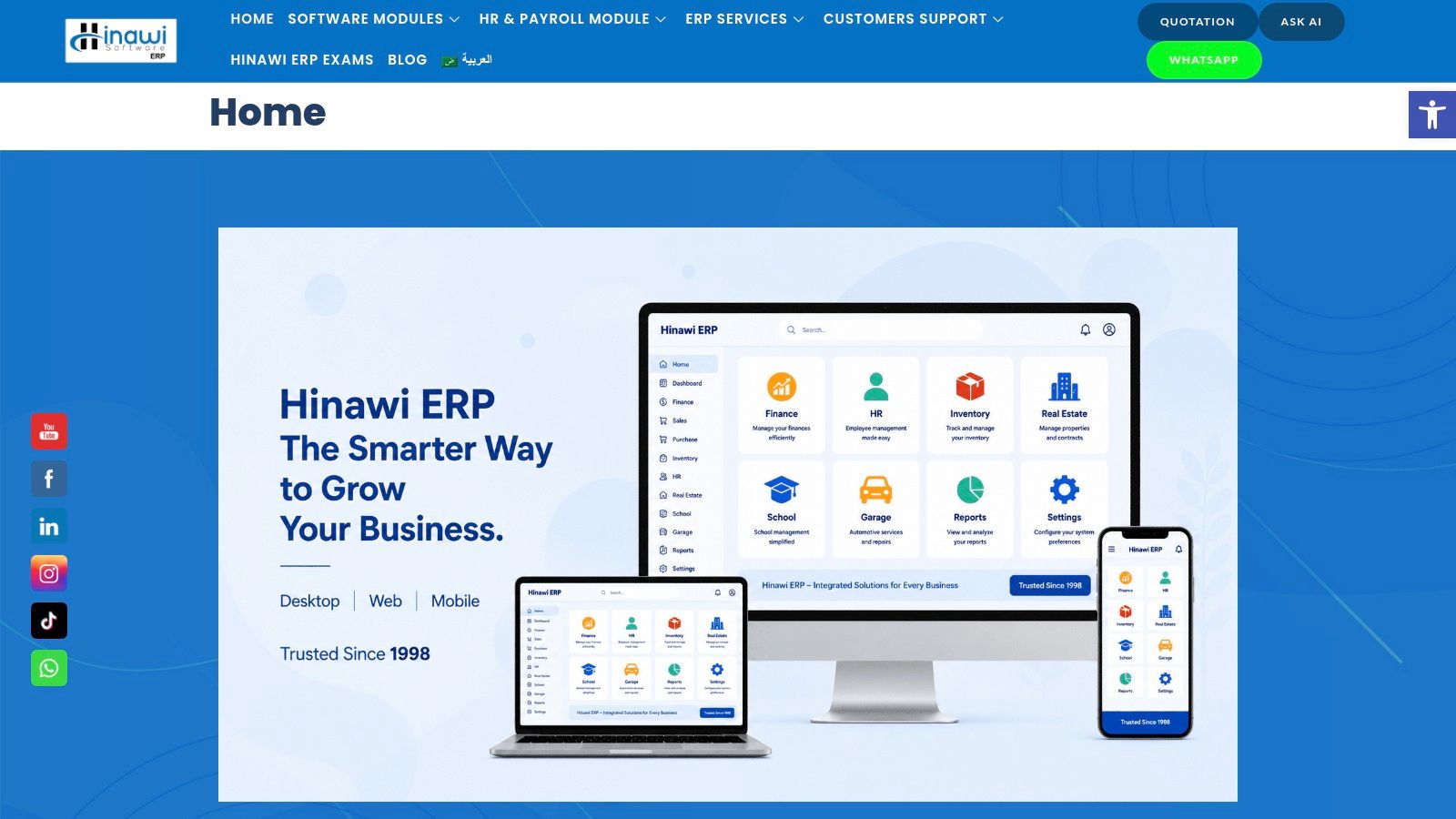
Hinawi ERP fits naturally into this discussion because many regional businesses don't need another isolated app. They need vendor controls tied directly to accounting, approvals, payroll-related service contracts, and operational workflows.
Take the Next Step with Hinawi ERP
If your business is still managing suppliers through spreadsheets, email chains, and disconnected approvals, it's time to move to a more controlled ERP environment. Hinawi ERP has been developed in Abu Dhabi since 1998 and gives UAE and GCC companies a fully integrated platform covering Accounting, HR & Payroll, Real Estate Management, Fixed Assets, Manufacturing, Garage & Maintenance, School Management, CRM, and wider business automation. It supports VAT and e-Invoicing compliance, UAE WPS payroll requirements, Arabic and English bilingual operation, flexible company policy settings, and real-time accounting integration across all modules. Whether you run a factory, contracting company, school, garage, trading business, or real estate operation, Hinawi ERP helps reduce manual work and improve management control. Visit www.hinawierp.com or request a personalised demo.
Chat on WhatsApp +971506228024 Quotation – Demo RequestIntroduction The Hidden Costs of Vendor Chaos
A common GCC scenario looks like this. A contracting company in Abu Dhabi needs to release a supplier payment before month-end. Accounts payable asks for the contract. Procurement sends an old version. Finance asks whether the supplier's VAT details were verified. Nobody is sure. The project team says the supplier has already delivered. The approver is travelling. The invoice sits unpaid.
The direct cost is delay. The bigger cost is loss of control.
When vendor data lives in different places, small mistakes turn into recurring operational friction. Staff duplicate records. Expired documents are missed. Approvals become inconsistent. Contract renewals slip through. Auditors ask basic questions that take hours to answer. Branches create their own vendor lists because head office processes are too slow. That's how businesses end up paying vendors they haven't properly governed.
Why spreadsheets fail in real operations
Spreadsheets don't enforce process. They store information, but they don't control who can add a vendor, who must approve a contract, which documents are mandatory, or what happens when a licence expires.
That weakness becomes obvious in businesses with:
- Multiple branches: Local teams often buy urgently and outside formal procurement.
- Service-heavy operations: Contracts, renewals, and compliance documents matter as much as price.
- Finance pressure: VAT checks, payment approvals, and audit support all depend on reliable records.
- Mixed departments: Procurement, accounts, HR, operations, and management all touch vendor data differently.
Practical rule: If you can create a vendor, approve an invoice, and release a payment without one connected record of the supplier, you don't have a controlled process.
What business owners should do instead
Stop treating vendor management as a filing task. Treat it as a business control layer.
That means every vendor should move through a defined lifecycle. Registration. document collection. approval. contract assignment. transaction use. performance review. renewal or suspension. If that lifecycle isn't enforced in software, people will bypass it.
A Vendor Management System gives structure to that lifecycle. In the GCC, the strongest setup is one that works inside the wider ERP environment, so supplier records, contracts, payables, and approvals don't drift apart.
What Is a Vendor Management System
A Vendor Management System is a central system for managing supplier information and the full vendor lifecycle. It replaces fragmented records with one controlled source of truth. Instead of checking spreadsheets, inboxes, and shared folders, your team works from one record that holds supplier details, contracts, certifications, alerts, and performance history.
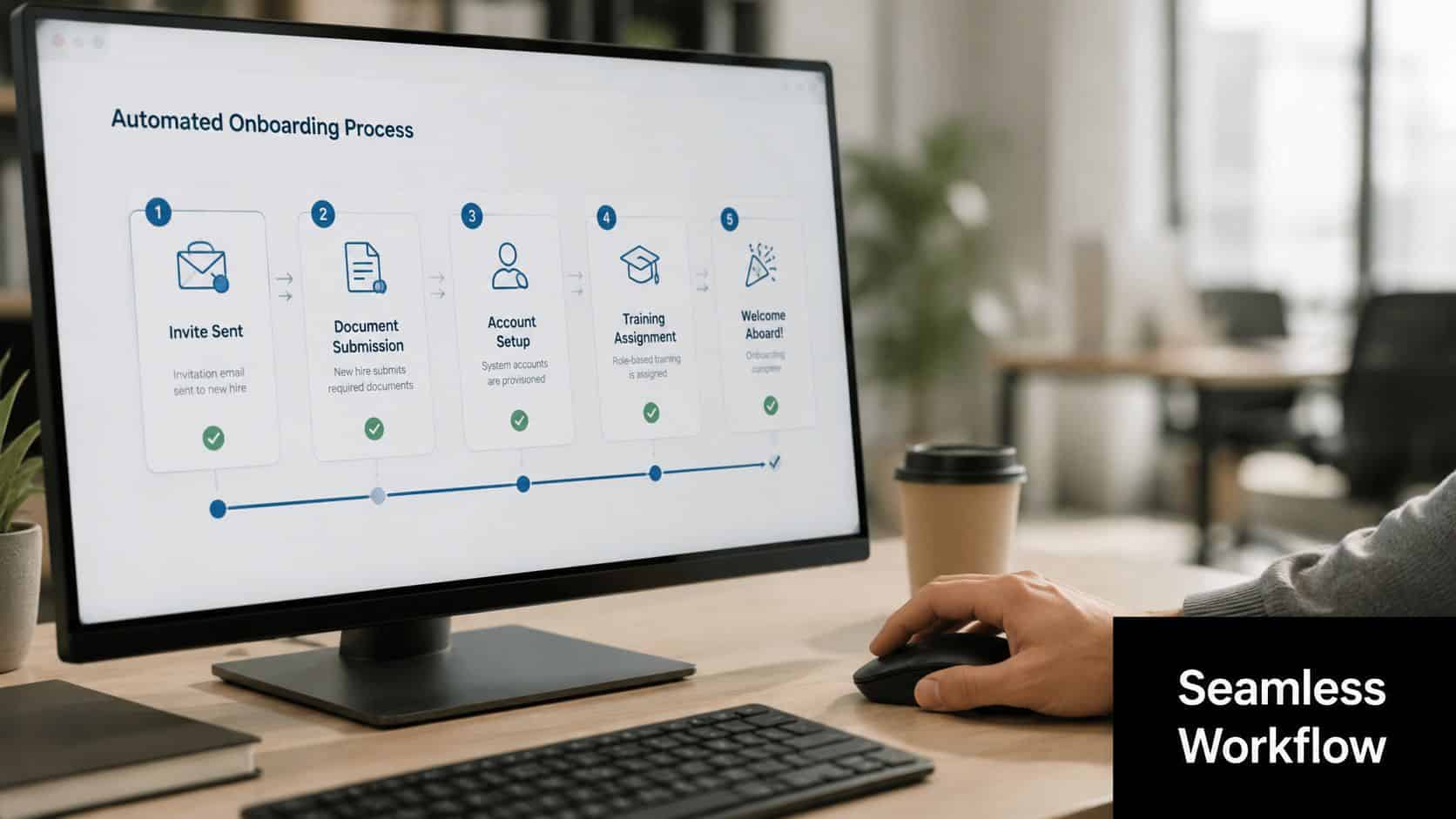
The practical value is straightforward. According to NetSuite's explanation of vendor management systems, a VMS creates operational control by centralising supplier data, automating onboarding and contract workflows, and measuring performance against KPIs and SLAs. It also addresses common failure points such as missed expirations, inconsistent approvals, and weak audit trails by keeping contracts, certifications, renewal alerts, and performance records in one system of record.
Think of it as control, not storage
Most companies already “have vendor data”. That's not the issue. The issue is that the data is spread across too many places and nobody trusts which version is current.
A good comparison is this:
| Before a Vendor Management System | After a Vendor Management System |
|---|---|
| Supplier details in spreadsheets | Supplier master in one controlled system |
| Contracts in email or folders | Central contract record with tracked dates |
| Manual follow-up on document expiry | Automated alerts and compliance visibility |
| Informal approvals | Workflow-based approvals with traceability |
| Unclear performance history | Structured scorecards and review records |
What it should include from day one
A useful Vendor Management System should cover more than a supplier name and bank details. At minimum, it should hold:
- Identity records: Legal name, trade details, contacts, and approved category.
- Compliance records: Tax details, licences, certificates, and expiry tracking.
- Commercial controls: Contract terms, pricing references, SLAs, and approval limits.
- Transaction readiness: Whether the supplier can be used for purchase orders and payments.
- Review history: Performance notes, disputes, delivery issues, and risk observations.
A Vendor Management System becomes valuable when finance, procurement, and operations all rely on the same vendor record instead of maintaining private versions.
That's why standalone tools often disappoint. If the system isn't connected to the wider ERP environment, the business still ends up reconciling data manually.
Take the Next Step with Hinawi ERP
A Vendor Management System works best when it's part of an integrated ERP, not another disconnected database. Hinawi ERP, developed in Abu Dhabi since 1998, supports Accounting, HR & Payroll, Real Estate Management, Fixed Assets, Manufacturing, Garage & Maintenance, School Management, CRM, and complete business automation in one platform. UAE and GCC companies use integrated ERP tools to improve VAT and e-Invoicing compliance, support UAE WPS payroll, operate in Arabic and English, and enforce company-specific approval policies with real-time accounting visibility. If you want to modernise vendor control without creating a new silo, visit www.hinawierp.com or request a personalised demo.
Chat on WhatsApp +971506228024 Quotation – Demo RequestCore Features and Automated Workflows in a VMS
A modern Vendor Management System is an automation tool. Its purpose isn't just to store supplier files. It should push vendors through controlled workflows so staff don't have to chase every document, approval, or renewal manually.
Onboarding that actually screens vendors
The first workflow is onboarding. Most companies lose control during onboarding because they let departments add suppliers informally.
A structured onboarding process should require mandatory fields, supporting documents, internal review, and final approval before the vendor becomes active. For UAE businesses, that usually includes trade documents, tax-related records, bank details, contract references, and category assignments.
The right system also distinguishes between “registered” and “approved for transaction”. That matters. A supplier record shouldn't automatically become payable just because someone typed in a name.
Contract and invoice flow must connect
Contract control is where many manual businesses fail. They sign agreements, save PDFs somewhere, and rely on memory for expiry or renewal dates. A VMS should centralise contract terms and alert the right people before deadlines are missed.
Then comes invoice processing. If invoices arrive before the vendor is approved, before the contract is attached, or without matching purchasing context, finance should see that immediately. The Hinawi ERP's vendor invoice management workflow offers an example of integrated control between supplier records, invoice review, and finance handling in such cases.
The modules that matter most
Not every feature deserves equal weight. Focus on the modules that remove the biggest sources of friction:
- Vendor onboarding: Enforce registration rules and document submission.
- Contract management: Track active agreements, terms, and renewals.
- Performance monitoring: Keep service and delivery history attached to the supplier.
- Approval workflow: Route new vendors, changes, and invoices to the right authority.
- Payment readiness controls: Block transactions for incomplete or non-compliant vendors.
The strongest workflow is the one that prevents bad data from entering the system in the first place.
When these workflows sit inside your ERP, each action has accounting consequences immediately. A vendor approval supports procurement. A validated invoice supports accounts payable. A blocked supplier protects finance from releasing payment too early. That's the difference between automation and simple record keeping.
The ROI of a VMS Benefits Beyond Centralization
A GCC company usually feels vendor chaos in finance first. Payments stall because supplier files are incomplete. Procurement negotiates one price while branches buy at another. Management gets three different answers to a simple question: how much are we spending with this vendor, and are we exposed if an audit starts tomorrow?

That is where the return comes from. A vendor management system improves financial control, shortens cycle times, and gives leadership one reliable view of supplier activity across purchasing, invoices, contracts, and approvals.
Market analysts also point in the same direction. The global vendor management systems market is projected to keep growing through the next several years, and analytics remains a major part of that demand, according to Coherent Market Insights' vendor management systems market analysis. The reason is practical. Businesses do not gain much from a cleaner supplier list alone. They gain value when vendor data supports decisions, exceptions are visible early, and managers can act before cost or compliance issues spread.
Where the return shows up
For an owner or finance head, ROI usually appears in four places:
- Lower spend leakage: You can identify duplicate vendors, off-contract buying, and inconsistent pricing across entities or branches.
- Faster processing: AP, procurement, and approvers spend less time chasing files, clarifications, and missing records.
- Stronger financial control: Payments are tied to approved vendors, valid documents, and clear purchasing history.
- Better management decisions: Leadership can see supplier concentration, delayed invoices, recurring disputes, and contract exposure in one view.
In the UAE and wider GCC, this matters more than many businesses admit. Margin is lost subtly through small failures. A VAT-ready invoice is delayed because the supplier master is incomplete. A subcontractor remains active after documents lapse. A branch keeps using a vendor that head office never reviewed. None of these issues look dramatic on their own. Together, they create rework, audit exposure, and unnecessary cash leakage.
Reporting changes behaviour fast.
Department heads pay attention when supplier exceptions, ageing invoices, approval delays, and vendor concentration are visible every week. That is why vendor management should feed executive reporting, not sit in a disconnected procurement tool. A system linked to ERP MIS and management reporting dashboards gives owners and finance leaders a usable control layer, not another database to maintain.
That is also the practical advantage of using a regional ERP such as Hinawi. The value is not limited to vendor records. You get vendor activity connected to accounting, approvals, VAT handling, and operational reporting in the same environment. For UAE and GCC businesses, that is the difference between software that stores supplier information and software that helps control risk, cash, and compliance.
Managing Vendor Risk and Compliance in the UAE and GCC
In the UAE and GCC, vendor management is a compliance process as much as a procurement process. If your system can't help you validate records, monitor approvals, and identify suppliers operating outside policy, it isn't doing enough.

The regional issue many businesses miss is hidden suppliers. As noted in TechnologyMatch's discussion of shadow vendors and tail spend, one underserved angle is managing vendors that appear outside procurement, such as those found in expense reports, card statements, or local branch purchasing. That gap matters because vendor sprawl and hidden costs are framed as core challenges.
The GCC compliance lens
For a GCC business owner, vendor risk usually shows up in practical questions:
| Risk area | What can go wrong without control |
|---|---|
| VAT handling | Invoices are processed with incomplete tax-related validation |
| Trade documentation | Supplier records stay active even when supporting documents need review |
| Branch purchasing | Local teams use vendors that head office hasn't approved |
| Service contracts | Terms are unclear, renewal dates are missed, and disputes become harder to prove |
| Audit support | Finance cannot show a clean approval trail for supplier setup or payments |
A Vendor Management System should help answer those questions before finance releases money, not after.
Shadow vendors are the real test
Most software demonstrations focus on strategic suppliers. That's easy. The harder issue is low-visibility vendors used by branches, project sites, schools, garages, or service teams. Those suppliers often enter the business through petty cash, urgent purchasing, reimbursement claims, or one-off payments.
That's why approval segregation matters. A controlled ERP environment should separate vendor creation, vendor approval, invoice entry, and payment authority. Businesses reviewing this area should pay attention to segregation of duties in ERP controls, because weak separation is how shadow vendors become a finance problem.
If your finance team discovers a supplier only when an invoice arrives, your approval process is already too late.
In this region, vendor compliance isn't a one-time onboarding event. It's an ongoing control discipline.
How to Choose and Implement the Right VMS
A branch buyer adds a new supplier to solve an urgent need. Finance receives the invoice days later. The TRN is missing, the contract sits in someone's inbox, and head office has no clear record of who approved the vendor. In the UAE and GCC, that is not a minor admin gap. It is a control failure that can affect VAT treatment, payment approvals, audit readiness, and supplier discipline across the group.
Choose a Vendor Management System the same way you would choose a financial control tool. The right system must fit your approval structure, your document rules, and your ERP environment. A standalone procurement app with a polished screen is a poor choice if finance still re-enters vendors, contracts stay outside the system, and branch teams keep using email to push exceptions through.
The evaluation criteria that matter
Score each option against control, not marketing.
| Feature/Capability | Importance (1-5) | Notes / Key Questions |
|---|---|---|
| Integration with accounting and payables | 5 | Does an approved vendor move directly into finance without rekeying or duplicate records? |
| Workflow configuration | 5 | Can you enforce approval paths by branch, amount, supplier type, or business unit? |
| Contract visibility | 4 | Can users see active terms, expiry dates, service scope, and obligations in one record? |
| Compliance tracking | 5 | Can the system hold required documents, flag missing records, and stop unapproved use? |
| Reporting and audit trail | 5 | Can management and auditors see who created, reviewed, approved, changed, and paid the vendor? |
| User access control | 4 | Can procurement, operations, finance, and approvers be separated by role? |
| Supplier usability | 3 | Can suppliers submit updates without creating more manual work for your team? |
| Local support and adaptability | 4 | Can the system handle UAE and GCC tax, payroll, language, and operating requirements? |
For GCC businesses, one test matters more than the rest. Ask whether the VMS works inside your day-to-day ERP controls or beside them. If vendor onboarding, contract handling, invoice processing, and payment approval sit in different systems, staff will bypass policy the first time a project becomes urgent.
Build vendor reviews into the operating model
Implementation often fails because companies treat vendor setup as a one-time project. It is not. You need recurring reviews based on vendor type, spend, and risk.
Use a simple review structure:
- Critical vendors: assign an owner and review performance, documents, and contract status on a fixed cycle.
- Routine vendors: monitor exceptions, delayed deliveries, repeated invoice issues, and pricing drift.
- High-risk service providers: check licence validity, insurance, contract obligations, and supporting records more closely.
- Occasional vendors: keep approval tight so one-off suppliers do not become uncontrolled repeat vendors.
That review discipline matters in the GCC because regulatory and operational requirements change during the vendor relationship, not only at onboarding. A supplier that was acceptable six months ago may now have expired documents, changed bank details, or unclear tax information.
Implementation advice for UAE and GCC companies
Keep the rollout strict and practical.
- Clean the vendor master before migration. Remove duplicates, inactive suppliers, and incomplete records. If you load bad data into a new system, you preserve the same old problems in a better interface.
- Set mandatory fields around local compliance. Define the records your business requires for TRN, trade licence details, bank information, contract reference, and approval authority. If you run payroll-linked contractor or labour-heavy operations, align vendor controls with WPS and related payment governance where applicable.
- Classify vendors by risk and operating impact. A subcontractor, transport provider, maintenance company, and office stationery supplier should not pass through the same path.
- Connect vendor approval to contracts and payables. If users cannot see the agreement, approved scope, and invoice relationship in one system, disputes and overpayments become harder to control.
- Add lifecycle stages. Approved, restricted, pending renewal, under review, and inactive are far better than a simple active or inactive flag.
- Train branch managers and finance together. Vendor control breaks when operations treat setup as speed and finance treats it as cleanup.
If you are evaluating systems in this market, give preference to ERP-led control over bolt-on tools. For example, contract lifecycle management within Hinawi ERP keeps supplier agreements closer to approvals, accounting records, and operational follow-up. That reduces off-system contract handling and gives management a clearer record of obligations, expiry dates, and vendor accountability.
Do not delegate the final design to software implementers alone. Management must define the approval matrix, document standards, exception handling, and ownership model first. Then configure the system around those rules. That is how you get control, faster processing, and fewer supplier problems after go-live.
Chat on WhatsApp +971506228024 Quotation – Demo RequestTake the Next Step with Hinawi ERP
A strong vendor management process isn't optional anymore. If your teams still depend on spreadsheets, inbox approvals, and disconnected records, you're carrying unnecessary financial and compliance risk. The fix is to move vendor control into an integrated ERP environment where approvals, documents, contracts, accounting, and reporting stay aligned.
Hinawi ERP UAE business software gives companies in the UAE and GCC a fully integrated platform developed in Abu Dhabi since 1998. It supports Accounting, HR & Payroll, Real Estate Management, Fixed Assets, Manufacturing, Garage & Maintenance, School Management, CRM, and complete business automation. It also supports VAT and e-Invoicing compliance, UAE WPS payroll, Arabic and English bilingual operation, flexible company policy settings, and real-time accounting integration across all modules.
If you want better control, fewer manual errors, and more reliable business visibility, speak with the Hinawi ERP team and request a personalised demonstration.
Explorer Computer LLC – Hinawi Software ERP supports businesses across the UAE and GCC that want to modernise operations, improve financial accuracy, and bring vendor management under proper control. Visit www.hinawierp.com to speak with the team or request a personalized consultation and demo.